
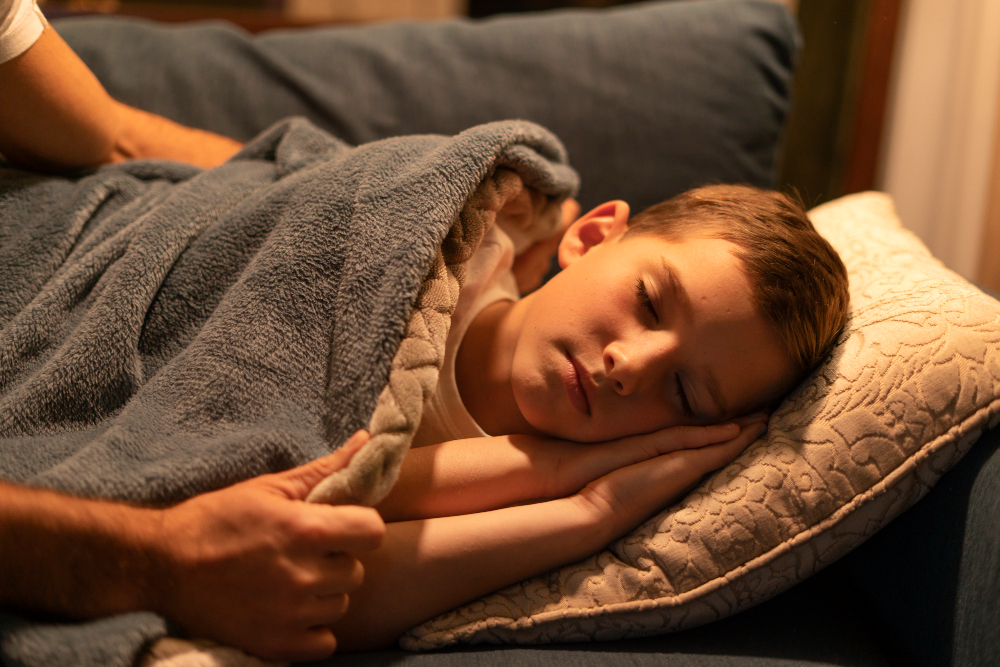
Many parents wonder, “How much sleep do children really need?” Understanding children’s sleep requirements is key for healthy growth. In this guide, we’ll explore recommended sleep for kids, pediatric sleep guidelines, and signs your child may not be getting enough rest. Good sleep helps children learn, grow, and stay healthy. Let’s look at what experts say about sleep needs and how you can help your child rest well every night.
Why Sleep Is Important for Children
Sleep is not just about rest. In fact, it plays a big role in your child’s health. During sleep, the body repairs itself and the brain processes new information. For example, children who sleep well often do better in school. They also have fewer behavior problems. Additionally, sleep helps boost the immune system, so kids get sick less often. According to the CDC, children who get enough sleep are less likely to have attention or learning issues. Therefore, making sleep a priority can help your child thrive.
Recommended Sleep Duration by Age Group
Experts like the American Academy of Pediatrics and the CDC provide clear sleep guidelines. These recommendations help parents know how much sleep is best for each age group. Below are the suggested hours of sleep for children:
As children grow, their sleep needs change. However, most kids need more sleep than adults. Following these pediatric sleep guidelines can help your child stay healthy and alert.
Signs Your Child Isn’t Getting Enough Sleep
Sometimes, it’s hard to tell if your child is getting enough rest. Yet, there are clear signs to watch for. If you notice these symptoms, your child may need more sleep:
Moreover, if these signs appear often, it’s important to review your child’s sleep routine. Sometimes, small changes can make a big difference.
Tips for Establishing Healthy Sleep Habits
Building good sleep habits early can help your child for life. Here are some practical tips to support healthy sleep:
With these steps, your child can fall asleep faster and stay asleep longer. Over time, these habits become part of their daily routine.
When to Consult a Pediatrician
Sometimes, sleep problems need extra help. If your child still struggles to sleep well, it may be time to talk to a doctor. For example, see a pediatrician if your child:
Early help can prevent bigger problems later. Pediatricians can check for sleep disorders or other health issues. They can also give advice tailored to your child’s needs.
If you have concerns about your child’s sleep, consult Starlings Children’s Hospital for personalized advice.