
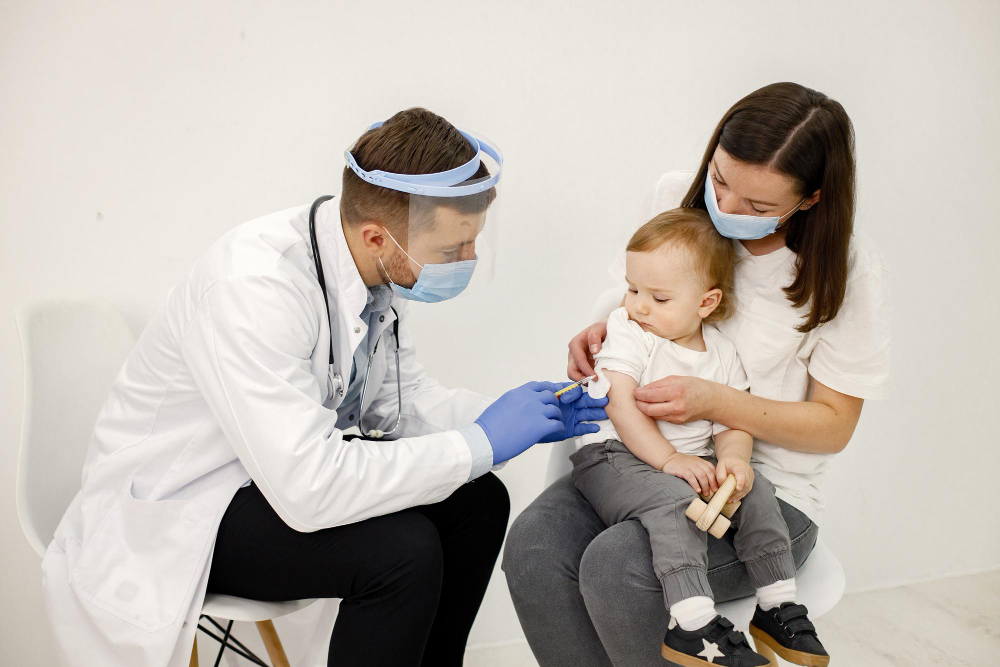
Introduction
Childhood immunisations are vaccines given to children to protect them from serious diseases. These vaccines help your child’s immune system fight infections. In the United States, following the childhood vaccination schedule is important for every family. Not only do vaccines keep your child safe, but they also help protect the community. This pediatric vaccine guide will explain why immunisation benefits your child and which vaccines are needed.
What Are Childhood Immunisations?
Childhood immunisations are shots or drops that help prevent diseases. For example, vaccines protect against measles, mumps, and polio. Doctors give these vaccines at certain ages. Because of immunisations, many dangerous diseases are now rare. However, children still need vaccines to stay safe. The childhood vaccination schedule tells parents when to get each vaccine.
Why Are Vaccines Important for Children?
Vaccines are important for many reasons. First, they protect your child from diseases that can cause serious illness or even death. In addition, vaccines help stop the spread of diseases in your community. When most children are vaccinated, it is harder for diseases to spread. This is called herd immunity. As a result, even those who cannot get vaccines, like newborns or children with certain health problems, are safer. Safe vaccines for kids have saved millions of lives worldwide.
Recommended Vaccines by Age Group
Doctors follow a set schedule for childhood immunisations. Below is a simple guide to the main vaccines your child needs at each stage. Always check with your pediatrician for the latest recommendations.
This schedule is based on CDC guidelines. Your doctor may adjust it for your child’s needs.
How Vaccines Work to Protect Your Child
Vaccines teach your child’s body how to fight germs. When your child gets a vaccine, their immune system learns to recognize and attack the disease. Because of this, if your child is exposed to the real disease later, their body can fight it off quickly. Vaccines do not cause the disease. Instead, they help your child build strong protection in a safe way.
Common Myths and Facts About Childhood Vaccines
Because of these facts, following the pediatric vaccine guide is safe and wise.
Possible Side Effects and Safety
Most children have only mild side effects after vaccines. For example, your child may have a sore arm, mild fever, or fussiness. These symptoms usually go away in a day or two. Serious side effects are very rare. However, if your child has a high fever or severe reaction, call your doctor right away. Overall, vaccines are safe and closely monitored by health experts like the CDC and WHO.
How to Prepare Your Child for Vaccination
Getting a vaccine can make some children nervous. Here are some tips to help:
Because of good preparation, most children handle vaccines well.
Frequently Asked Questions
Conclusion
Childhood immunisations are a safe and effective way to protect your child from serious diseases. Because vaccines work best when given on time, follow the childhood vaccination schedule closely. For more information or to discuss your child’s needs, consult Dr. HRUDAYARANJAN ANANTHULA, a pediatrician, to ensure your child receives all recommended vaccines on time.