
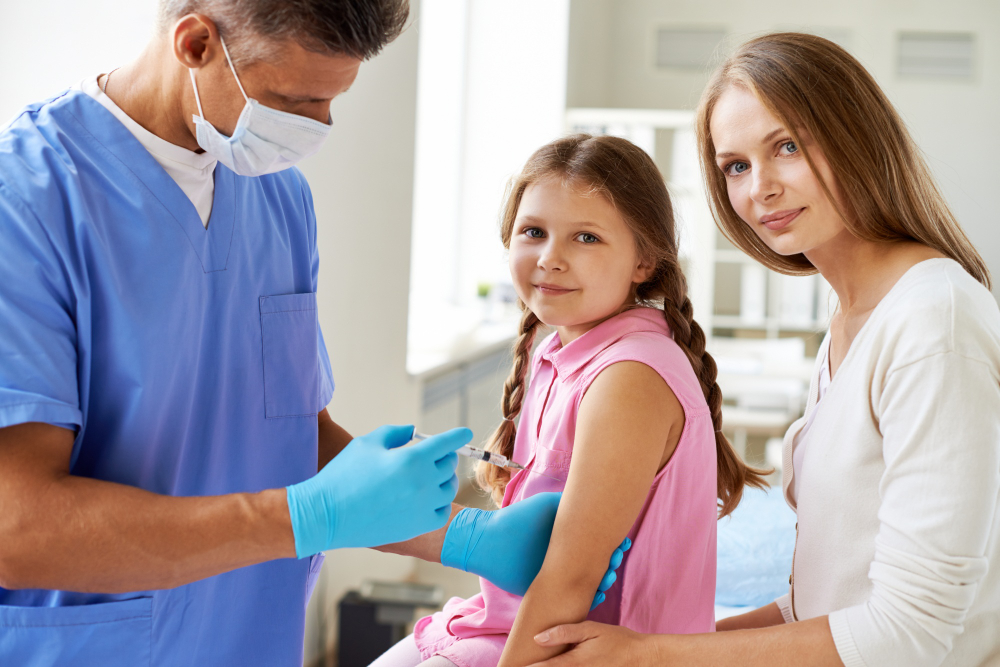
Vaccines play a key role in keeping children healthy. The importance of vaccinations: protecting your child’s health early cannot be overstated. Childhood immunization benefits include preventing serious diseases and saving lives. In fact, early vaccines help stop illnesses before they start. Many parents ask why vaccines matter for kids. The answer is simple: vaccines protect children and the community. Let’s explore why early vaccination is so important for your child’s well-being.
What Are Vaccinations?
Vaccinations are special shots that help the body fight off certain diseases. When your child gets a vaccine, their body learns to recognize and fight germs. As a result, if they are exposed to the real disease later, their body can protect them. Vaccines are made from tiny, safe parts of the germs. These parts cannot cause the disease. Instead, they teach the immune system to defend itself. Vaccines are one of the best ways to keep children healthy and safe.
Why Early Vaccination Matters
Early vaccination is very important for children. Babies and young kids have weaker immune systems. Because of this, they are more likely to get sick from diseases. Vaccinating early helps protect them when they need it most. In addition, some diseases can be very serious or even deadly for young children. By getting vaccines on time, you help prevent these risks. Early immunization also helps stop the spread of diseases in your family and community.
Key Vaccines for Children
Children need several vaccines to stay healthy. Each vaccine protects against a different disease. Here are some key vaccines recommended by health experts like the CDC and WHO:
Each of these vaccines is given at certain ages. Your child’s doctor will follow a schedule to make sure your child gets the right shots at the right time.
How Vaccines Protect Your Child and Community
Vaccines do more than protect your child. They also help keep your whole community safe. When most people are vaccinated, diseases cannot spread easily. This is called herd immunity. For example, if a child cannot get a vaccine because of health reasons, herd immunity helps protect them. In this way, vaccines help everyone stay healthy. As more children get vaccinated, fewer people get sick. This makes outbreaks much less likely.
Common Myths and Facts About Vaccines
Some parents worry about vaccines because of myths. However, it is important to know the facts. Here are some common myths and the truth behind them:
Knowing the facts helps you make the best choices for your child’s health.
Safety and Side Effects of Vaccines
Vaccines are very safe. Before they are approved, they go through many tests. Health experts watch for side effects closely. Most side effects are mild and go away quickly. For example, your child may have a sore arm or a mild fever. Serious side effects are very rare. If you have concerns, talk to your child’s doctor. They can explain what to expect and answer your questions.
Tips for Parents: Keeping Up with the Vaccination Schedule
Staying on track with your child’s vaccines is important. Here are some tips to help:
By staying organized, you make sure your child gets the best protection.
Prevention and Long-Term Health Benefits
Vaccines help prevent many serious diseases. Because of vaccines, some diseases are now very rare. For example, polio and measles used to be common. Now, they are almost gone in many places. Vaccines also help your child stay healthy as they grow. In the long run, this means fewer doctor visits and less time missed from school. Vaccines protect your child’s health now and in the future.
In summary, vaccines are a safe and effective way to protect your child. They prevent serious diseases and help your community stay healthy.
Consult Starlings Children’s Hospital to ensure your child’s vaccinations are up to date and receive personalized advice.