
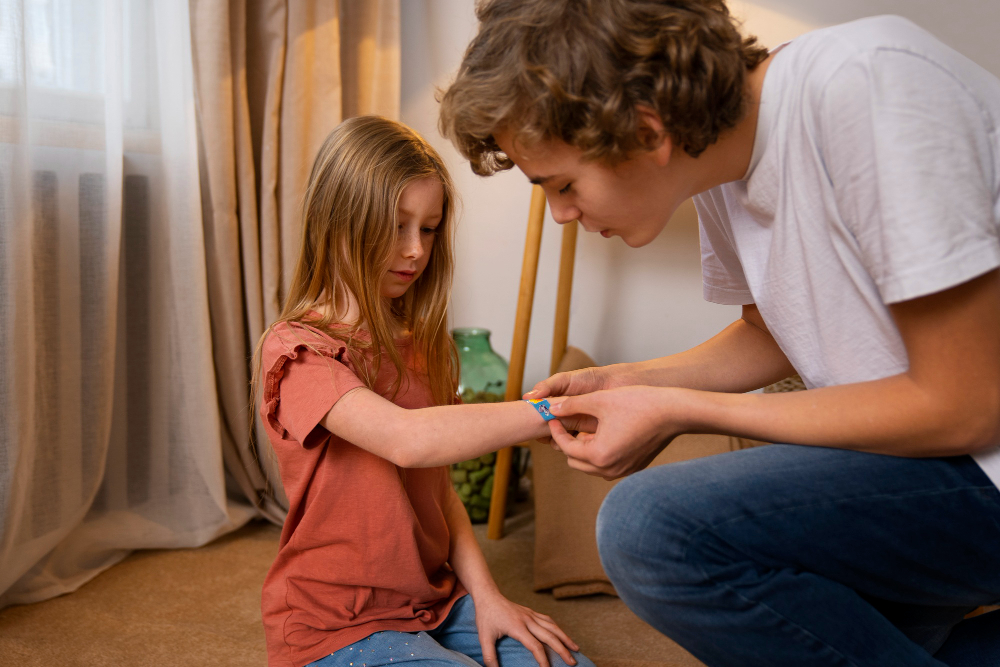
Every parent wants to keep their child safe. Preventing common childhood injuries at home and outdoors is important for healthy growth. Children are curious and active, so accidents can happen quickly. However, with simple steps, you can lower the risk of injuries. This guide will help you understand the causes and offer easy ways to protect your child both inside and outside the house.
Common Causes of Childhood Injuries at Home
Many injuries happen at home, where children spend most of their time. Understanding these risks can help you prevent them. For example, most home injuries are caused by:
Because young children explore with their hands and mouths, these hazards are common. According to the CDC, falls are the leading cause of non-fatal injuries in children.
Common Causes of Childhood Injuries Outdoors
When children play outside, new risks appear. Even so, outdoor play is important for health and learning. Common outdoor injury causes include:
In many cities, traffic and crowded parks can increase these risks. Therefore, it is important to watch children closely when they are outside.
Effective Prevention Strategies at Home
There are many ways to make your home safer for children. Here are some easy childproofing tips:
Additionally, always supervise young children, especially in the kitchen and bathroom. The American Academy of Pediatrics recommends regular home safety checks to spot new hazards.
Effective Prevention Strategies Outdoors
Outdoor safety for kids is just as important as indoor safety. To help prevent injuries, try these tips:
Furthermore, remind children not to talk to strangers and to stay within sight. In busy areas, hold your child’s hand to prevent them from wandering off.
First Aid Tips for Minor Injuries
Even with care, minor injuries can happen. Knowing basic first aid helps you respond quickly. Here are some simple steps:
Always keep a first aid kit at home and in your car. The Red Cross offers helpful guides for parents on basic first aid.
When to Seek Medical Attention
Sometimes, injuries need a doctor’s care. Seek medical help if your child:
In any emergency, call your local emergency number right away. Quick action can save lives.
Tips for Parents and Caregivers
Keeping children safe is a team effort. At Starlings Children’s Hospital, parents and caregivers are encouraged to take proactive steps to reduce everyday risks. Here are some helpful tips:
Most importantly, stay alert and involved in your child’s daily activities. Prevention is always better than cure.
In conclusion, simple steps can help prevent most childhood injuries at home and outdoors. For personalized child safety guidance and ongoing support, Starlings Children’s Hospital is here to help families keep children safe and healthy every day.