
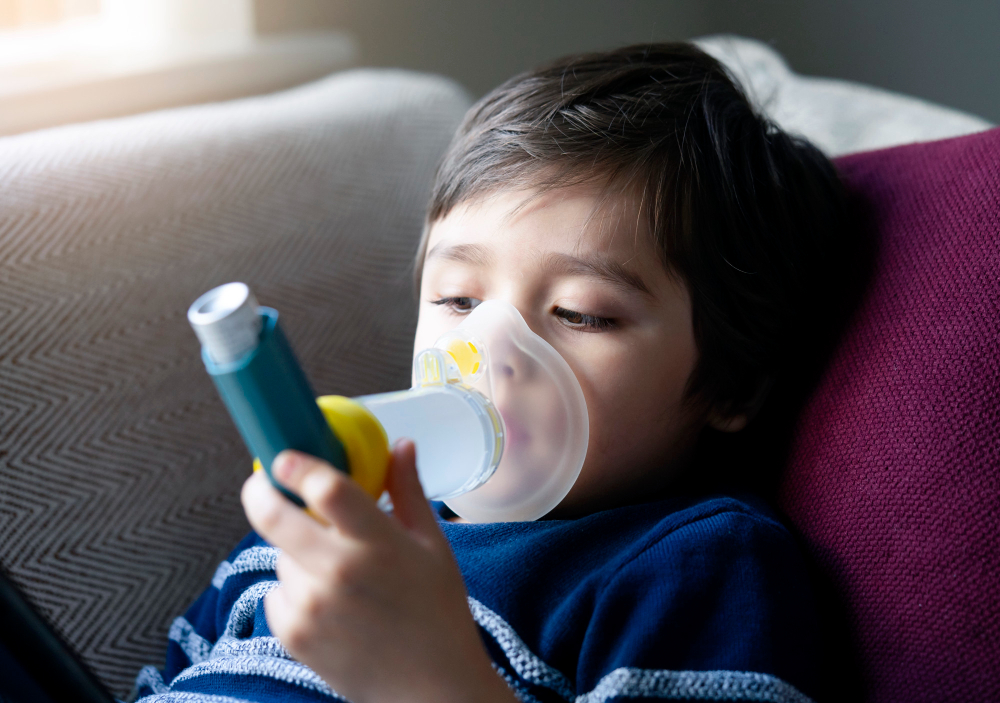
What is Childhood Asthma?
Childhood asthma is a long-term lung condition that affects many children. It makes the airways in the lungs swell and narrow. As a result, children may find it hard to breathe. Asthma can cause coughing, wheezing, and chest tightness. Although it can be scary, most children with asthma can live active lives. With the right care, symptoms can be managed well. According to the CDC, asthma is one of the most common chronic illnesses in children.
Common Symptoms of Childhood Asthma
Recognizing asthma symptoms in children is important. Early signs help parents and caregivers act quickly. Some children may show only mild symptoms, while others have more severe problems. Look for these common signs:
Sometimes, symptoms get worse with colds, allergies, or exercise. If you notice these signs, it may be time to talk to your doctor.
Causes and Risk Factors
Asthma in kids can have many causes. While the exact reason is not always clear, some factors make asthma more likely. For example, children with a family history of asthma or allergies are at higher risk. Other risk factors include:
Even so, not all children with these risk factors will develop asthma. But knowing them can help you stay alert.
How to Recognize Asthma Attacks in Children
Asthma attacks can be scary for both children and parents. During an attack, the airways become very narrow. This makes it hard for your child to breathe. Watch for these warning signs:
If you see these signs, act quickly. Give your child their rescue inhaler if prescribed. Then, seek medical help right away.
Diagnosis: How Doctors Identify Childhood Asthma
Doctors use several steps to diagnose childhood asthma. First, they ask about your child’s symptoms and family history. Next, they may listen to your child’s breathing. Sometimes, doctors use breathing tests to check lung function. These tests are simple and painless. In some cases, your doctor may suggest allergy tests. This helps find out if allergies are making asthma worse. Early diagnosis helps children get the right treatment sooner.
Effective Management and Treatment Options
Managing pediatric asthma involves several steps. Most children need a mix of medicine and lifestyle changes. Doctors often prescribe two types of medicine:
In addition, regular check-ups help track your child’s progress. Your doctor may adjust medicines as your child grows. Always follow your doctor’s advice for the best results.
Lifestyle Tips for Children with Asthma
With a few changes, children with asthma can enjoy daily life. Here are some helpful tips:
Because every child is different, talk to your doctor about the best plan for your family.
Preventing Asthma Triggers at Home and School
Asthma triggers in kids can be found at home or school. By reducing these triggers, you can help prevent attacks. Try these steps:
At school, share your child’s asthma action plan with teachers and staff. This helps everyone respond quickly if symptoms appear.
When to Seek Medical Help
Sometimes, asthma symptoms can get worse quickly. At Starlings Children’s Hospital, parents are advised to seek medical help immediately if:
Even if symptoms seem mild, always seek help if you are worried. Early action can prevent serious problems.
In summary, childhood asthma can be managed with the right care and support at Starlings Children’s Hospital, where timely guidance helps children breathe easier and stay healthy.